Rooftop solar solutions
Grid-connected systems for homes and businesses, sized for your roof and your electricity consumption, with net metering handled end to end.
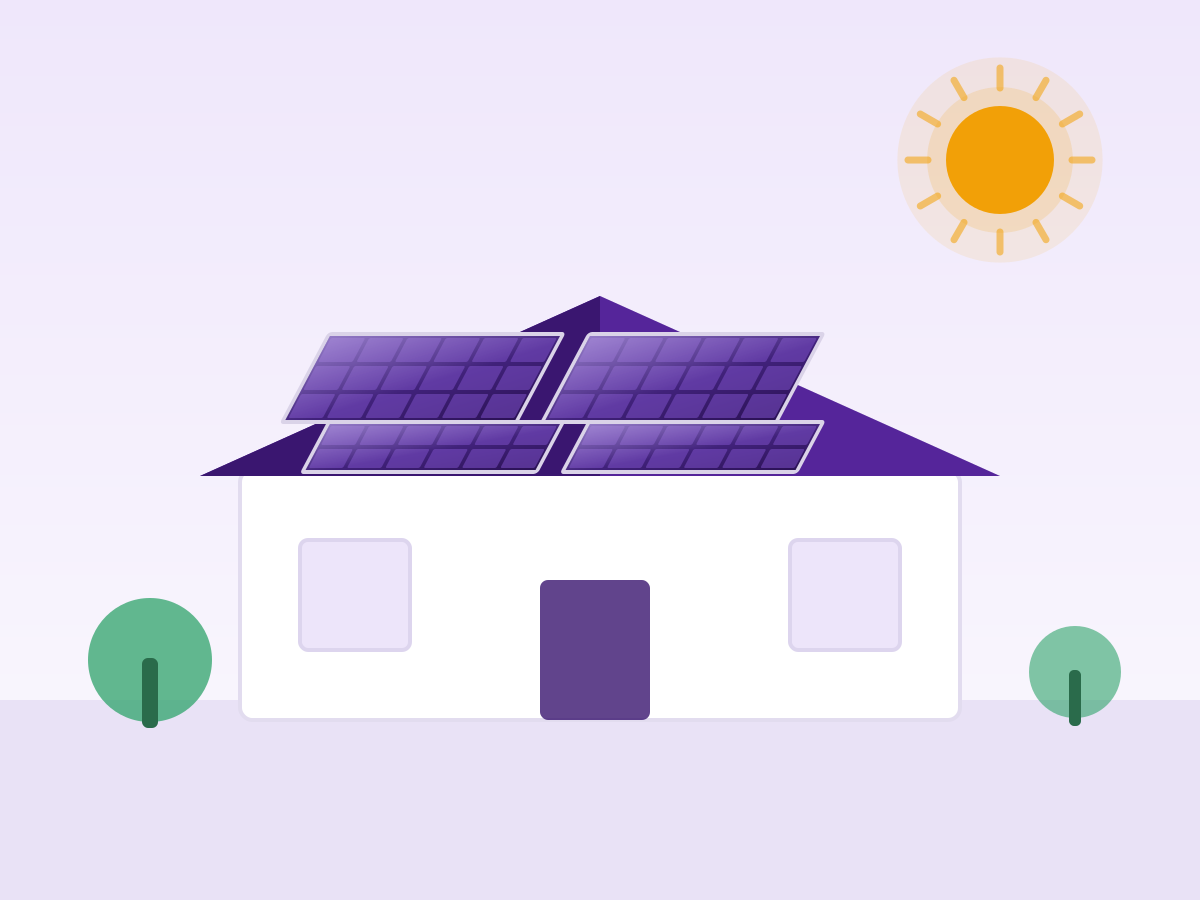
Your roof, generating your own electricity
A rooftop solar plant converts daylight into electricity that your building uses first. Whatever is not used is exported to the grid, and the grid supplies you at night — the net meter keeps the account.
How much a system saves depends on your consumption pattern, your roof area and the tariff you are billed at. We work that out with you before anything is ordered, using your own bills rather than a general assumption.
Request a solar consultationTwo kinds of rooftop, two kinds of planning
The technology is the same. The sizing, the metering and the paperwork are not.
Residential rooftop solar
For independent houses, bungalows, row houses and housing society buildings. Systems are usually sized to cover a large share of daytime household consumption, with net metering carrying the balance.
- Sizing from your monthly units, not from roof area alone
- Structure designed for the roof type — RCC, sheet or sloping tile
- Guidance on the national rooftop programme and its application route
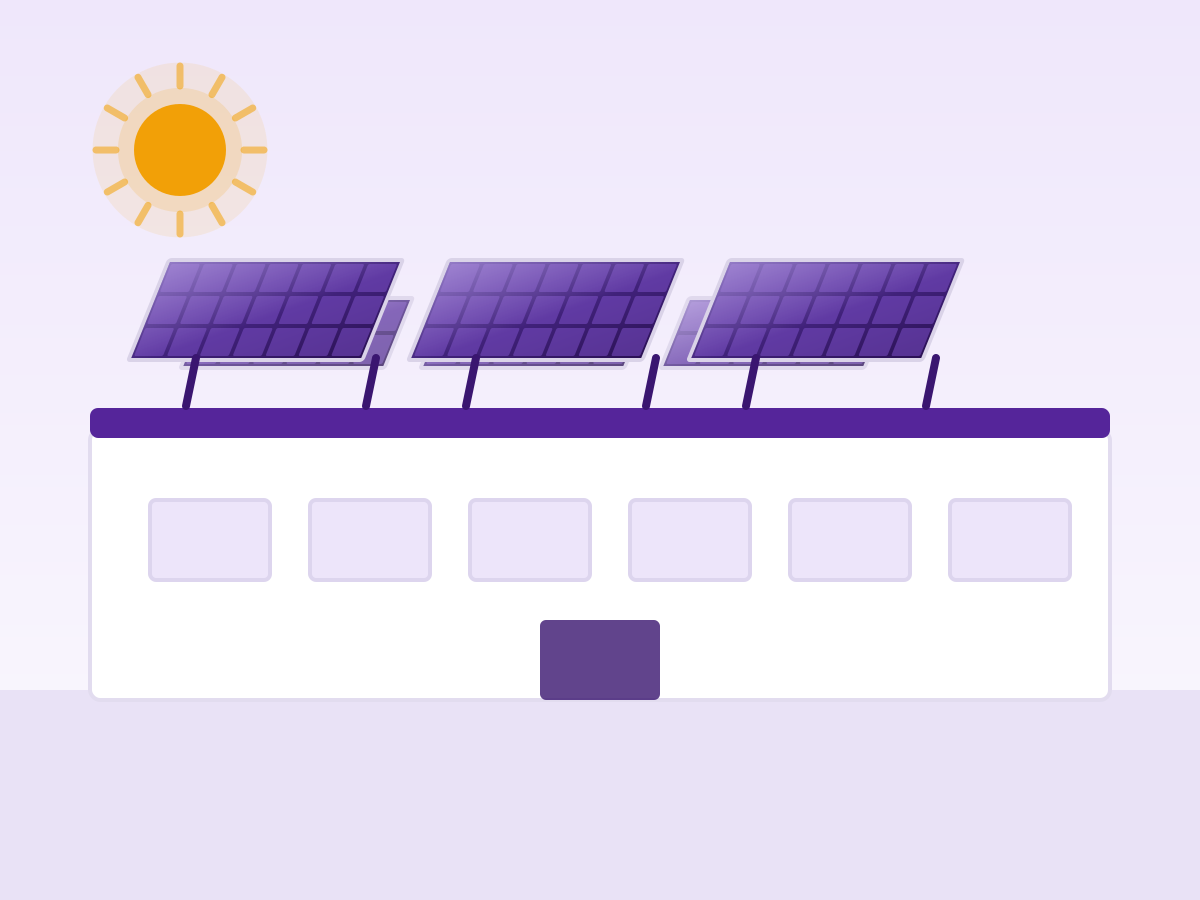
Commercial rooftop solar
For shops, offices, showrooms, schools, hospitals, hostels and small industrial units, where load runs mostly in daylight hours and a commercial tariff makes self-consumption worth more.
- Load study across working hours and seasons
- Layout planned around existing rooftop equipment and access paths
- Sanctioned load and connection category checked before sizing
What net metering means for your bill
Under net metering your solar plant and the grid share the supply. A bidirectional meter records the units you import and the units you export, and you are billed on the difference.
- Application to MSEDCL through a registered vendor
- Technical feasibility and sanctioned load verification
- Installation carried out to the approved layout and capacity
- Meter replacement, inspection and commissioning
- Documentation handed over to you at the end
Applicable rules change
Metering rules, capacity limits and any support under the national rooftop programme are set by the government and the distribution company, and they are revised from time to time. We will confirm what currently applies to your connection before you decide.
From first call to commissioning
Five steps, each one confirmed with you before the next begins.
Understand your requirement
Your bills, your roof and what you expect solar to change.
Solar consultation
Options, sizing and realistic outcomes explained in plain terms.
System planning
Layout, components, protection and the net metering route on paper.
Installation and setup
Structure, modules, wiring, earthing and commissioning.
Support and guidance
Handover, documents and help when you need it afterwards.
Request a solar consultation
Send us your last electricity bill and we will suggest a suitable system size for your roof.